How Can Digital Printing Help Brands Achieve Eco-Friendly Packaging?
With increasing environmental awareness, more and more consumers and retailers are opting for brands with sustainable concepts. While industry giants such as Nestlé and General Mills have actively promoted regenerative agriculture and eco-friendly packaging to reduce their carbon footprint, many small and medium-sized brands are still considering: how can they maintain market competitiveness while effectively promoting sustainable development with limited resources?
In fact, brands don't need drastic reforms; starting from product development can yield results. By examining raw material procurement, packaging selection, energy consumption structure, and waste disposal, environmental concepts can be gradually integrated into the entire operational process. One efficient approach is to collaborate with existing or new supply chain partners to explore feasible green solutions.

Eco-friendly digital printing is one such approach.
In the flexible packaging sector, sustainable options are constantly expanding. Brands can choose recyclable, post-consumer recycled (PCR), or compostable materials, or partner with packaging manufacturers possessing digital printing technology—a printing method itself possessing significant environmental attributes, and some suppliers can even provide dual green solutions for both materials and printing.
So, is digital printing truly sustainable? Below, we'll analyze four key reasons why digital printing is suitable for brands of all sizes and is highly likely to be an excellent choice for achieving your environmental goals.
I. Significantly Reduced Carbon Emissions
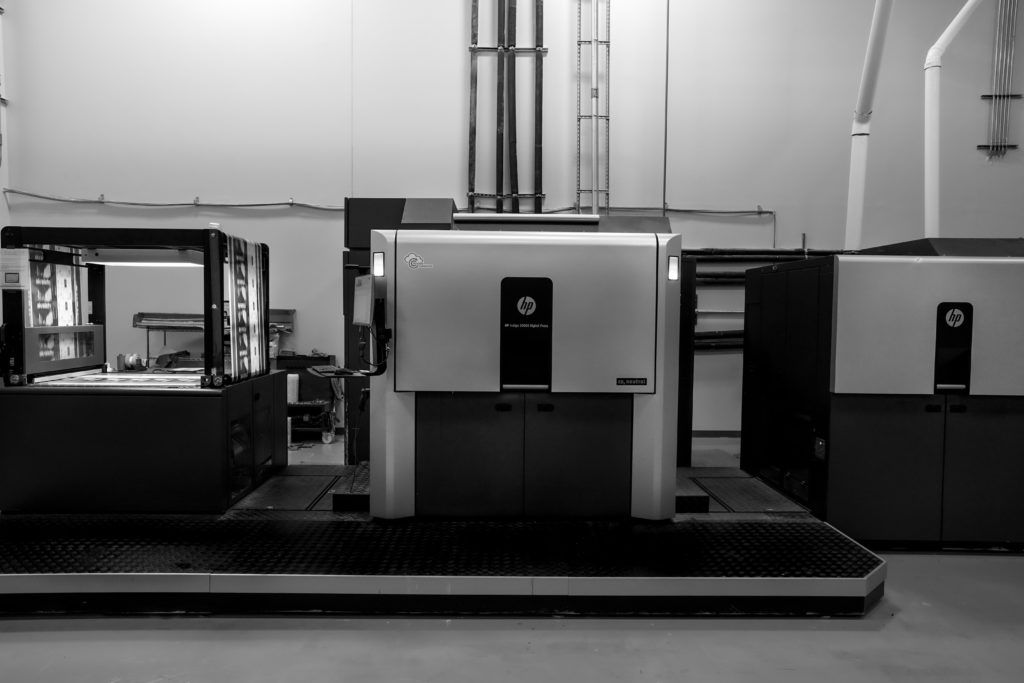
The carbon footprint of packaging production is substantial. Digital printing presses (such as the HP Indigo 20000 used by Mode Packaging) emit significantly less CO2 than traditional letterpress or rotary printing, and can even achieve carbon neutrality. This means a substantial reduction in environmental impact throughout the entire printing process, from packaging bags to roll stock.Less emissions mean a healthier planet.
II. Significantly Reduced Material Waste
Unlike traditional printing, which requires creating printing plates for each SKU, digital printing outputs directly from digital files, eliminating the plate-making process. Printing plates not only wear out over time but also require constant replacement with design changes, leading to continuous material waste. Digital printing, like everyday office printing, only requires uploading files to begin production, fundamentally reducing waste.In short, plateless printing equals less material consumption and less waste.
III. Reduced Inventory Waste and Packaging Obsolescence Risks
Digital printing supports on-demand production, multi-SKU printing, and low minimum order quantities. Brands can effectively avoid packaging waste caused by formula adjustments, design iterations, certification updates, or regulatory changes, saving costs and reducing resource waste.Reducing waste not only means less plastic going to landfills but also directly saves you money.
IV. Environmentally Friendly Materials Throughout the Printing Process
The inks and films used in digital printing also meet sustainability standards. For example, HP digital printing presses use polymer-based inks that are free of hazardous air pollutants (HAPs) and consume less energy and emit fewer greenhouse gases compared to traditional solvent-based or UV-cured inks.Brands can also use recyclable PE-PE films or post-consumer recycled (PCR) resin materials to further prevent plastic from entering the natural environment, achieving a win-win situation for both the environment and brand image.
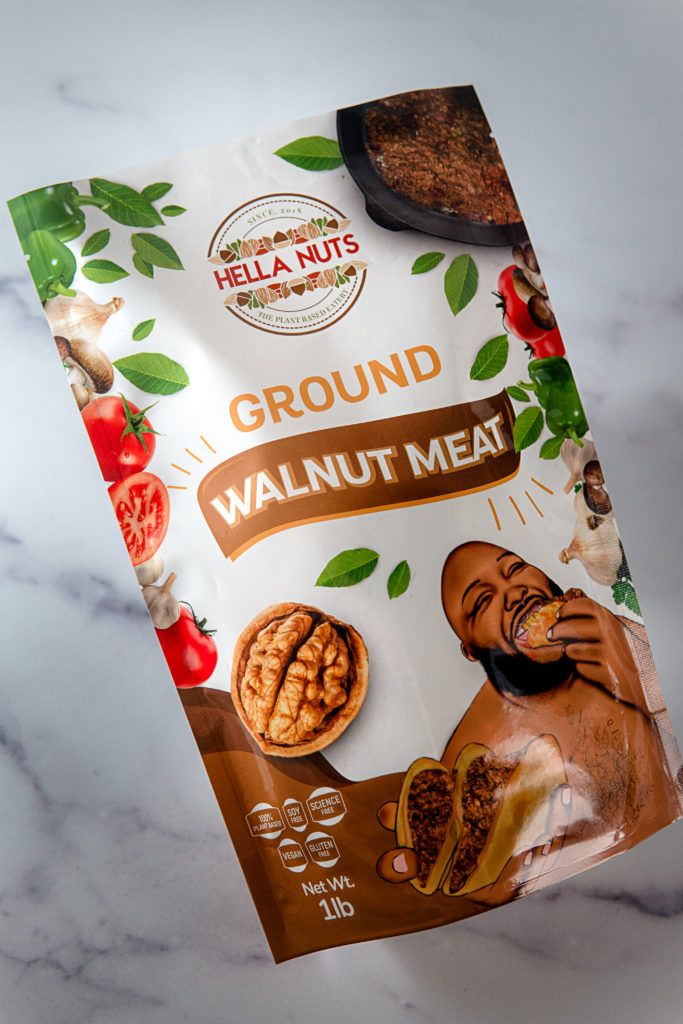
▎Digital Printing: A Sustainable Shortcut for SMEs
As mentioned above, digital printing enables small and medium-sized enterprises (SMEs) to find a practical, low-risk, and environmentally friendly path in an ever-evolving market. It not only helps brands advance their sustainability goals but also saves time and resources, simplifies ordering processes, and optimizes inventory management, thereby comprehensively improving operational efficiency.
Compared to traditional printing methods, digital printing consumes less energy, produces less waste, and has a smaller carbon footprint, making it undoubtedly a more environmentally friendly choice for flexible packaging production.
▎Partnering with Digital Flexible Packaging Suppliers to Help Brands Transition to the Green Future
If you would like to learn more about how digital printing flexible packaging can inject sustainable competitiveness into your brand, please contact our professional team. We offer a one-stop service from short-run printing and fast delivery to custom design, including free consultations and quotations, helping you easily take the first step towards an environmentally friendly transformation.